
At a time when technology and the arts are increasingly intertwined, immersive theater is leveraging the power of the Internet of Things (IoT) to revolutionize the performing arts industry. IoT technology, with its powerful connectivity and data processing capabilities, provides immersive theaters with unprecedented creative space and audience experience, and reshapes the interaction between the stage and the audience in an innovative mode.
IoT, as an important part of the new generation of information technology, is a huge network formed by combining various information sensing devices with the Internet through intelligent sensing, identification technology and pervasive computing and other communication and sensing technologies. In immersive theaters, IoT technology is widely used in stage equipment, audience interaction, scene control and many other aspects. From lighting and sound to stage machinery to interactive devices in the hands of the audience, IoT technology realizes seamless connection and efficient synergy between these elements, providing solid technical support for the immersive experience.
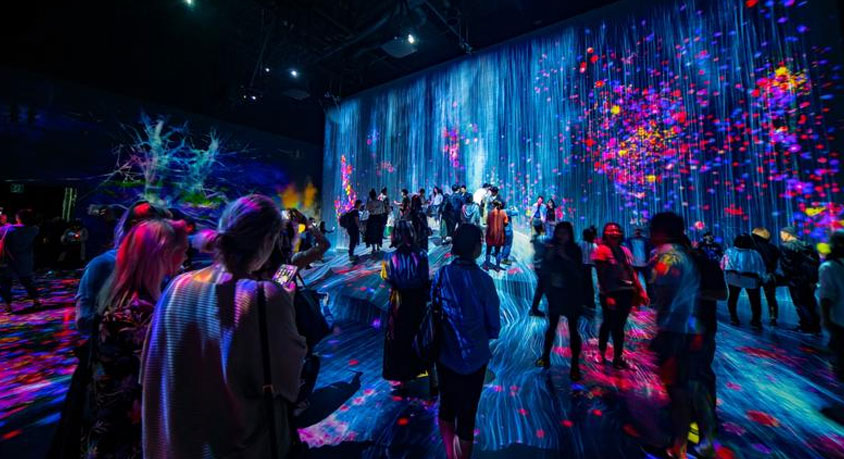
Immersive theater is a form of performing arts that breaks the traditional mode of viewing performances, which emphasizes the audience's all-round participation and deep immersion. Through the use of advanced audio-visual technology, environmental simulation and interactive devices, immersive theater can create an immersive experience, so that the audience seems to be in the plot, and the role of the same breath with fate. This experience not only greatly enhances the audience's sense of immersion and participation, but also gives the performance works more richly expressive and infectious.
Intelligent stage control: IoT technology makes it possible to realize precise control of lighting, sound, scenery and other elements on the stage according to the needs of the plot. Through preset programs or real-time data analysis, the stage effects can be automatically adjusted as the plot progresses, bringing the audience a more delicate and realistic viewing experience.
Audience Interactive Experience: IoT technology also promotes the interaction between the audience and the stage. Audience members can participate in plot voting, influence story direction or trigger specific scenes through interactive devices in their hands. This instant feedback mechanism not only increases audience participation and immersion, but also makes every performance full of unknowns and surprises.
Environment Simulation and Atmosphere Creation: IoT technology is able to monitor and adjust the environmental parameters in the theater in real time, such as temperature, humidity, light, etc., in order to create an atmosphere that matches the plot. At the same time, combined with virtual reality and augmented reality technologies, IoT can also provide audiences with a visual and auditory experience that transcends reality, making them feel as if they are in a whole new world.
The fusion of immersive theater and IoT is an example of the perfect combination of technology and art. It not only brings audiences an unprecedented viewing experience, but also opens up new paths for the development of the performing arts industry. Their integration can not only promote the innovation and development of performing arts forms, but also promote the integration and upgrading of related industrial chains, injecting new vitality into the whole industry.
Disclaimer: Mention of any brand or trademark is for identification only and does not imply partnership or endorsement