Background and Breakthrough
Researchers from the Laboratory of Medicine and the Laboratory of Molecular Biology at Imperial College in the UK have worked together to solve a mystery that has plagued the scientific community for decades: the fundamental mechanism that recognizes DNA damage and initiates its repair. This significant research result brings new hope for more effective cancer treatment.
The importance of DNA damage and repair
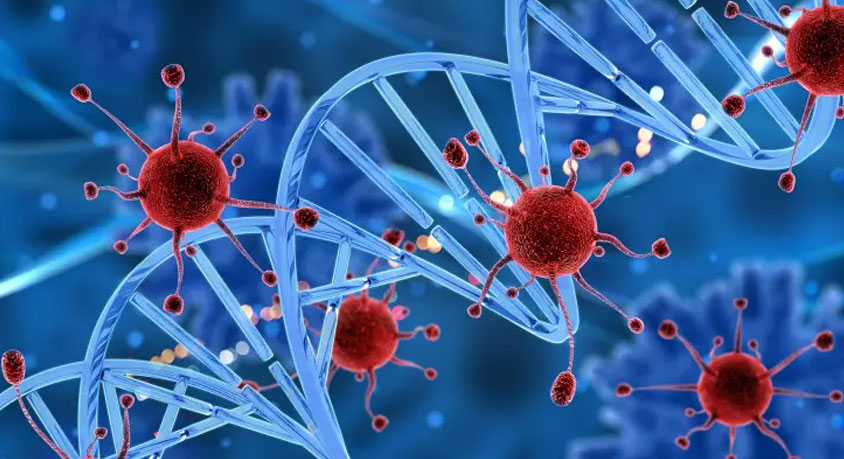
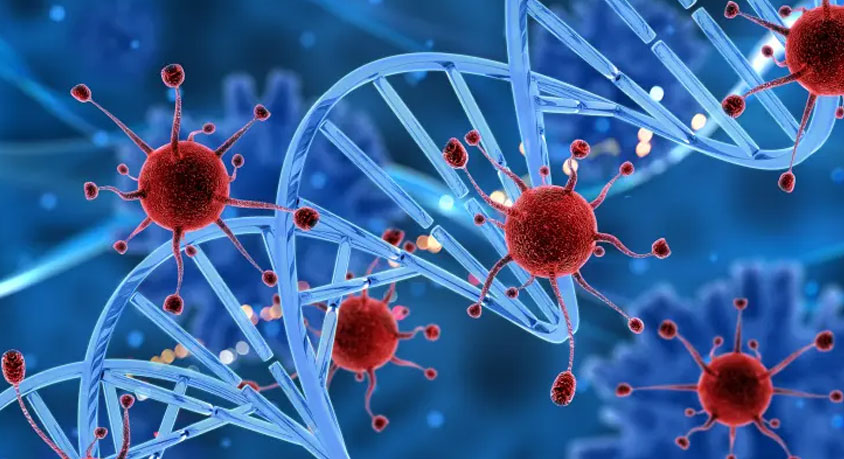
Virtually all the time, DNA suffers damage from environmental factors such as ultraviolet light, alcohol consumption, smoking, pollution, and so on. Cross-linking is one of the most common ways in which DNA is damaged, and this damage can severely hinder normal DNA replication and gene expression. If DNA damage builds up, it is very likely to cause cancer.
In order to replicate itself and to read and express genes, the two strands of the DNA double helix need to unravel into a single strand, forming a Y-shaped replication fork. However, once the DNA is cross-linked, the "nucleosides" of the two strands stick to each other, preventing this normal unwinding process.
Key questions and findings of the study
The study focused on a DNA repair pathway known as the Fanconi anemia (FA) pathway. The team had previously found that the protein complex D2-I, which consists of the proteins FANCD2 and FANCI, plays a key role in the first step of the FA pathway by clamping down on the DNA, thereby initiating DNA repair during cross-linking. But the central question is, how does D2-I recognize cross-linked DNA and why does the D2-I complex also associate with other types of DNA damage?
By using advanced microscopy techniques, the team successfully identified a specific part of the FANCD2 protein, the KR helix. Single-molecule imaging experiments clearly showed that the KR helix plays a crucial role in recognizing and stalling at single-stranded DNA gaps. Further in-depth studies showed that the ability of the D2-I complex to utilize the KR helix to stall at these junctions is integral to DNA repair efforts in the FA pathway.
New findings and interpretations
The findings suggest that it is the DNA structure within the replication forks, rather than the DNA cross-linking process itself, that actually triggers the D2-I complex to stop sliding and clamp the DNA, thereby initiating repair. These stalled replication forks occur in numerous types of DNA damage, which well explains the wide range of roles played by D2-I complexes in other forms of DNA repair and through the FA pathway.
Significance and application prospects of the study
Understanding the entire process of DNA repair and the reasons for its failure is of paramount importance. Numerous anticancer drugs work by causing severe damage to cancer cells, causing them to stop dividing and eventually die. In such a case, the DNA repair pathway is likely to be utilized by the cancer cells to develop resistance to the drug. A deeper understanding of the first step mechanism of the DNA repair pathway may help to find an effective way to enhance the sensitivity of cancer cells to drugs, opening up a whole new path for cancer treatment.
Disclaimer: Mention of any brand or trademark is for identification only and does not imply partnership or endorsement