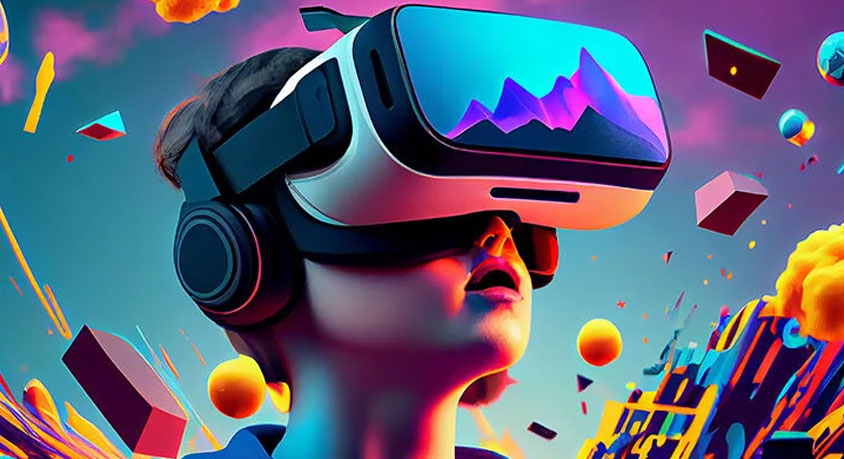
Virtual Reality (VR) technology is rapidly changing the traditional approach to psychotherapy and bringing new ideas to the field of mental health. For example, by creating immersive virtual environments, patients can confront and deal with a variety of psychological issues, such as anxiety, fear, and trauma, in a safe space. The application of this technology not only enhances the effectiveness of treatment, but also opens up more possibilities for psychotherapy.
Exposure therapy in an immersive environment
Virtual reality technology is particularly well suited for exposure therapy, which is an effective treatment for anxiety disorders and post-traumatic stress disorder (PTSD). While traditional exposure therapy usually requires patients to face their fears in a real-world setting, VR technology allows for the creation of virtual, controlled environments that allow patients to gradually face and overcome their fears. For example, with virtual reality simulations of flights, social scenarios, or other disturbing situations, patients can practice coping strategies in a safe virtual world that reduces fear in the actual environment.
A virtual platform for emotional regulation and mental training
In addition to exposure therapy, virtual reality provides a new platform for emotional regulation and mental training. vR can simulate various relaxation and meditation environments, such as calm beaches, soothing forests, etc., to help patients engage in deep-breathing exercises and meditations, thereby relieving stress and anxiety. In addition, VR provides training modules in cognitive behavioral therapy (CBT) to help patients learn emotion regulation techniques and cope with negative thinking. Such virtual training not only makes the psychotherapy process more interactive and fun, but also improves the actual effectiveness of the therapy.

Real-time feedback and personalized treatment
Another important advantage of virtual reality technology is the real-time feedback function. During VR therapy, the therapist can adjust the treatment strategy in real time by monitoring the patient's physiological data (e.g., heart rate, galvanic skin response, etc.) and behavioral responses. This real-time data feedback enables the treatment process to be personalized according to the patient's actual needs, thus improving the effectiveness and safety of the treatment. For example, a therapist can adjust the difficulty of a virtual scenario or conduct further interventions based on the patient's responses in the virtual environment.
Technical challenges and ethical considerations
Although virtual reality technology shows great potential in psychotherapy, its application still faces a number of challenges. The cost of technology, accessibility of equipment, and user adaptation issues may affect the popularization of VR in psychotherapy. In addition, data privacy and ethical issues are important aspects that need attention. Ensuring the security and privacy protection of patient data, as well as developing clear ethical norms, are key to the successful application of virtual reality psychotherapy.
Unlimited possibilities of virtual reality
As technology continues to advance, VR is expected to combine with advanced technologies such as artificial intelligence and big data to provide more intelligent and personalized treatment plans. In addition, as the cost of equipment decreases and the technology becomes more widespread, virtual reality therapy will become more popular and accessible. Virtual reality technology will not only promote the development of psychotherapy, but may also become an important tool in the field of mental health in the future, providing more patients with innovative treatment methods.
Disclaimer: Mention of any brand or trademark is for identification only and does not imply partnership or endorsement